

News

  • Beat the Odds: 6 Effective Ways Westerners Can Prevent Diabetes

    Beat the Odds: 6 Effective Ways Westerners Can Prevent Diabetes

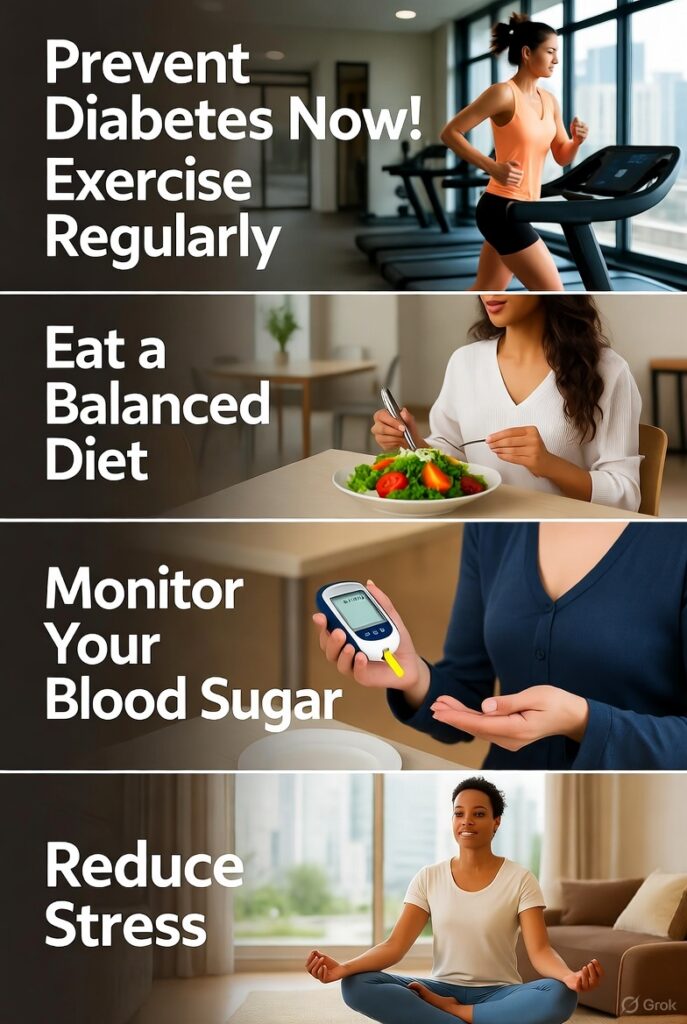
    Beat the Odds: 6 Effective Ways Westerners Can Prevent DiabetesDiabetes, particularly type 2, is a growing concern in Western countries like the U.S. and Europe, often linked to lifestyle factors. With the right habits, you can significantly reduce your risk. Here’s a concise guide tailored for Western audiences.1. Maintain a Balanced DietFocus on whole foods to stabilize blood sugar:

    • Eat More Veggies and Fruits: Aim for 5 servings daily (e.g., broccoli, berries).
    • Choose Whole Grains: Opt for brown rice or quinoa over white bread.
    • Cut Back on Sugar and Processed Carbs: Limit sodas and pastries.
    • Follow diets like the Mediterranean style, popular in Europe and the U.S.

    2. Exercise RegularlyPhysical activity improves insulin sensitivity. The American Diabetes Association recommends:

    • 150 minutes of moderate exercise weekly (e.g., walking, swimming).
    • Strength training twice a week to build muscle.

    Even a daily 30-minute walk can make a difference.3. Achieve and Sustain a Healthy WeightExcess weight, especially around the abdomen, increases diabetes risk. In the U.S., over 30% of adults are obese. Losing 5–7% of your body weight can lower your risk by up to 58%.4. Limit Alcohol and Quit Smoking

    • Alcohol: Stick to moderate intake (up to one drink daily for women, two for men).
    • Smoking: Quit to reduce inflammation and insulin resistance. Use resources like Smokefree.gov.

    5. Monitor Blood Sugar and Health MetricsRegular checkups are key. Track:

    • Fasting Blood Sugar: Below 100 mg/dL is ideal.
    • HbA1c: Aim for under 5.7% to catch prediabetes early.

    Consult your doctor for personalized screening.6. Manage Stress and Sleep WellChronic stress and poor sleep disrupt blood sugar control. Try:

    • Stress Relief: Practice yoga or meditation.
    • Sleep: Get 7–9 hours nightly with a consistent schedule.

  • Heart Smart: 7 Proven Ways Americans Can Prevent Cardiovascular Disease

    Cardiovascular disease (CVD), including heart disease and stroke, remains the leading cause of death in the United States. The good news? Many cases are preventable through lifestyle changes and proactive habits. Here’s a concise guide to keeping your heart and brain healthy, backed by science and tailored for Americans.

    1. Adopt a Heart-Healthy DietA balanced diet is your first line of defense. Focus on:

    • Fruits and Vegetables: Aim for 5–7 servings daily, rich in antioxidants and fiber.
    • Whole Grains: Choose oats, quinoa, or whole-grain bread over refined carbs.
    • Healthy Fats: Opt for olive oil, avocados, and nuts instead of trans fats.
    • Limit Sodium and Sugar: Keep sodium under 2,300 mg/day and avoid sugary drinks.

    The American Heart Association (AHA) recommends the Mediterranean or DASH diet to reduce cholesterol and blood pressure.

    2. Stay Physically ActiveRegular exercise strengthens your heart and improves circulation. The CDC advises:

    • 150 minutes of moderate aerobic activity weekly (e.g., brisk walking, cycling).
    • Muscle-strengthening exercises twice a week (e.g., bodyweight workouts or lifting).

    Even small changes, like taking stairs or walking during lunch breaks, add up.

    3. Maintain a Healthy WeightObesity is a major risk factor for CVD. In the U.S., over 40% of adults are obese. Aim for a BMI between 18.5 and 24.9. Losing just 5–10% of body weight can lower blood pressure and cholesterol.

    4. Quit Smoking and Limit AlcoholSmoking damages blood vessels, and excessive alcohol raises blood pressure.

    • Quit smoking: Use resources like the CDC’s Quitline (1-800-QUIT-NOW).
    • Moderate alcohol: Men should limit to two drinks daily, women to one.

    5. Manage StressChronic stress increases cortisol, which can elevate blood pressure and inflammation. Try:

    • Mindfulness or meditation: Apps like Headspace are popular.
    • Hobbies or social connections: Spend time with friends or pursue creative outlets.

    6. Monitor Key Health MetricsRegular checkups catch issues early. Track:

    • Blood Pressure: Aim for below 120/80 mmHg.
    • Cholesterol: Keep LDL (“bad”) cholesterol low and HDL (“good”) high.
    • Blood Sugar: Prevent diabetes, a major CVD risk factor.

    7. Get Enough SleepPoor sleep (less than 7 hours nightly) is linked to higher CVD risk. Create a sleep-friendly environment:

    Stick to a consistent sleep schedule.

Translate »