
Caring for a sick baby can be one of the most stressful experiences for new parents. Babies have immature immune systems, so they’re prone to colds, fevers, and minor illnesses in their first year. While most minor illnesses resolve on their own with gentle care, knowing how to recognize symptoms, provide comfort, and when to seek medical help can help you feel confident and calm during this challenging time.
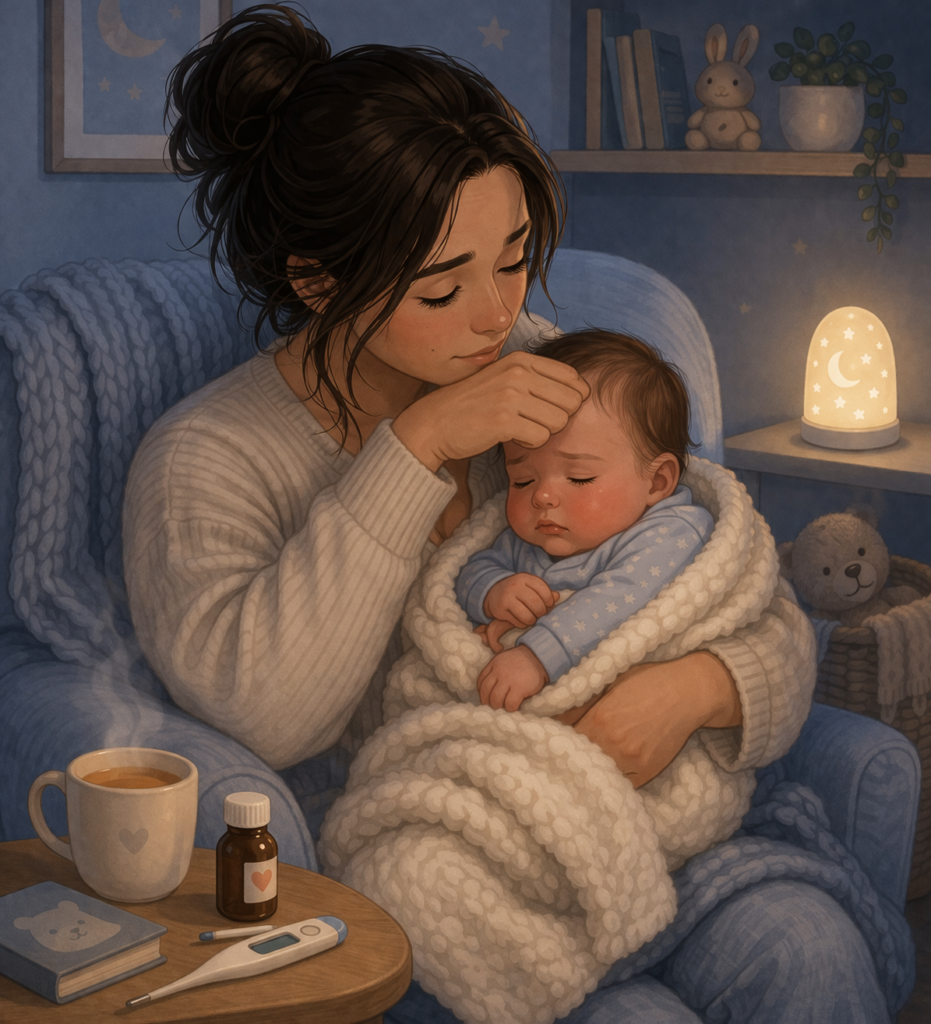
First, learn to recognize common signs of illness in babies: a fever (temperature above 100.4°F/38°C for newborns under 3 months, or above 101°F/38.3°C for older babies), fussiness, lethargy, poor appetite, difficulty breathing, congestion, coughing, or diarrhea. For fevers, use a digital thermometer to take your baby’s temperature—rectal thermometers are the most accurate for newborns, while ear or forehead thermometers work well for older babies.
To comfort a sick baby, focus on keeping them hydrated and rested. Offer small, frequent feedings (breast milk, formula, or water for babies over 6 months) to prevent dehydration—sick babies may eat less, so don’t force them to feed, but offer fluids regularly. Use a bulb syringe to gently clear nasal congestion, which can help your baby breathe easier while feeding or sleeping. A cool mist humidifier in the baby’s room can also soothe a stuffy nose and dry cough.
Dress your baby in light, loose clothing to help regulate their body temperature—avoid bundling them up if they have a fever, as this can trap heat. Keep the room cool and quiet, and let your baby sleep as much as possible—rest is crucial for recovery. If your baby is fussy, hold them close, sing soft lullabies, or offer a pacifier to provide comfort.
Contact your pediatrician immediately if you notice any red flags: a fever in a baby under 3 months old, a fever lasting more than 3 days, difficulty breathing (fast breathing, flaring nostrils, or chest retractions), lethargy or unresponsiveness, poor feeding or dehydration (fewer than 6 wet diapers in 24 hours), or a rash. These could be signs of a more serious illness that requires medical treatment. Remember, it’s better to be safe and call your doctor if you’re unsure—they’re there to help you navigate your baby’s health.
Leave a Reply