
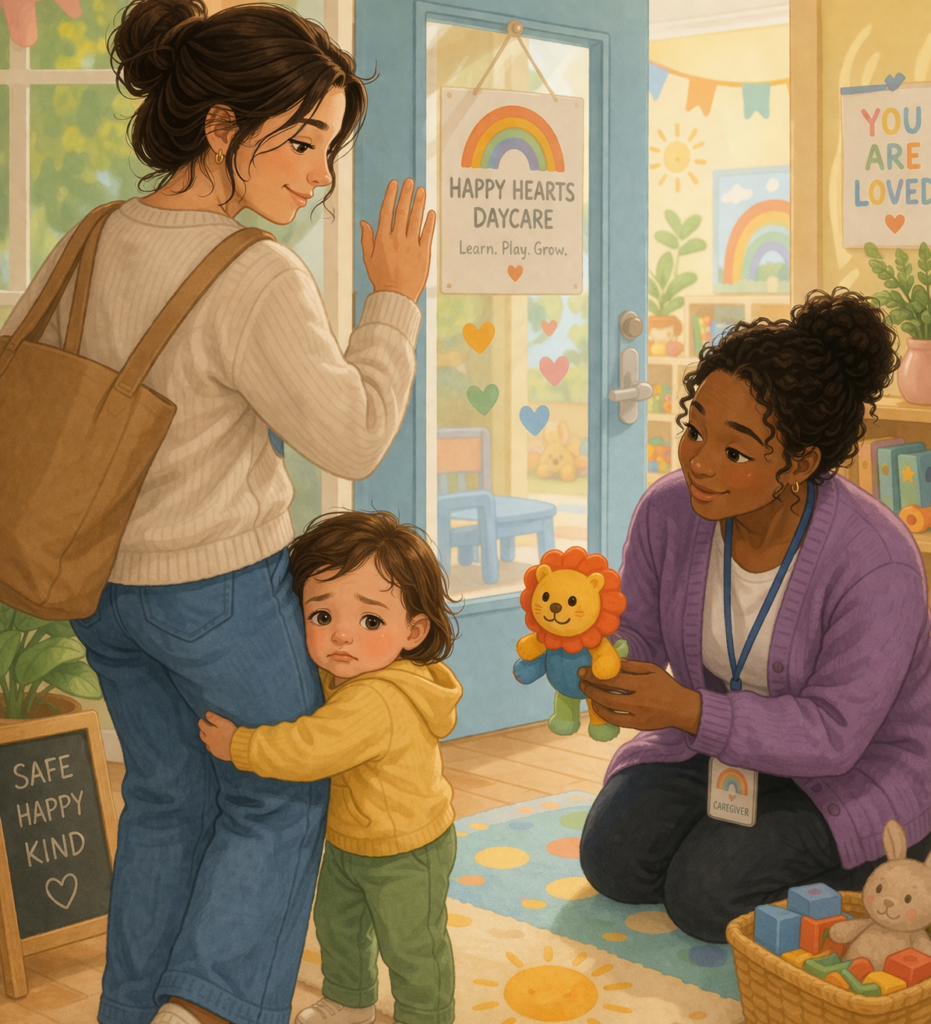
Separation anxiety is a normal developmental stage for babies, usually starting around 6–8 months of age and peaking between 10–18 months. It occurs when babies become upset or distressed when separated from their primary caregiver (usually a parent), as they start to understand object permanence—the idea that things (and people) exist even when they can’t see them. While separation anxiety can be challenging for both parents and babies, there are gentle ways to help your baby feel secure and cope with being apart.
The first step is to introduce separation gradually. Start with short, positive separations at home—leave the room for a minute or two while your baby is playing with a toy, and return with a smile and praise. As your baby becomes more comfortable, gradually increase the length of time you’re apart. This helps your baby learn that you will always come back, building trust and confidence.
Create a consistent goodbye routine. A simple, predictable routine (like a hug, a kiss, and a wave) signals to your baby that it’s time for you to leave, but also that you’ll return. Avoid sneaking away—this can make your baby feel betrayed and increase anxiety. Instead, say goodbye clearly, keep it brief, and resist the urge to linger if your baby cries. Lingering can make the separation harder for both of you.
Choose a familiar, safe environment for separations. If you’re leaving your baby with a caregiver or at daycare, visit the space together beforehand. Let your baby explore the environment, meet the caregiver, and play with toys there. Familiarity helps reduce anxiety, as your baby will feel more comfortable in a space they know.
Leave a comfort object with your baby—a favorite stuffed animal, blanket, or piece of your clothing (with your scent). This object can provide a sense of security and comfort when you’re not there, helping your baby feel connected to you. Encourage the caregiver to use the comfort object if your baby becomes upset.
Praise your baby for coping with separation, even if they cried a little. When you return, greet them warmly and acknowledge their feelings: “I know you missed me, but you did such a great job while I was gone!” This reinforces positive behavior and helps your baby feel proud of themselves. Remember, separation anxiety is temporary—most babies outgrow it by 2–3 years of age as they become more independent and confident.
Leave a Reply